


Automotive gearbox synchronizer
An automotive gearbox synchronizer is a crucial component in modern manual transmission systems, designed to ensure smooth gear shifts and enhance the driving experience. The primary function of a gearbox synchronizer is to match the speed of the gears with the rotating speed of the output shaft, preventing grinding and making the shifting process seamless. This mechanism plays a vital role in enabling drivers to switch gears smoothly, whether at high or low speeds.
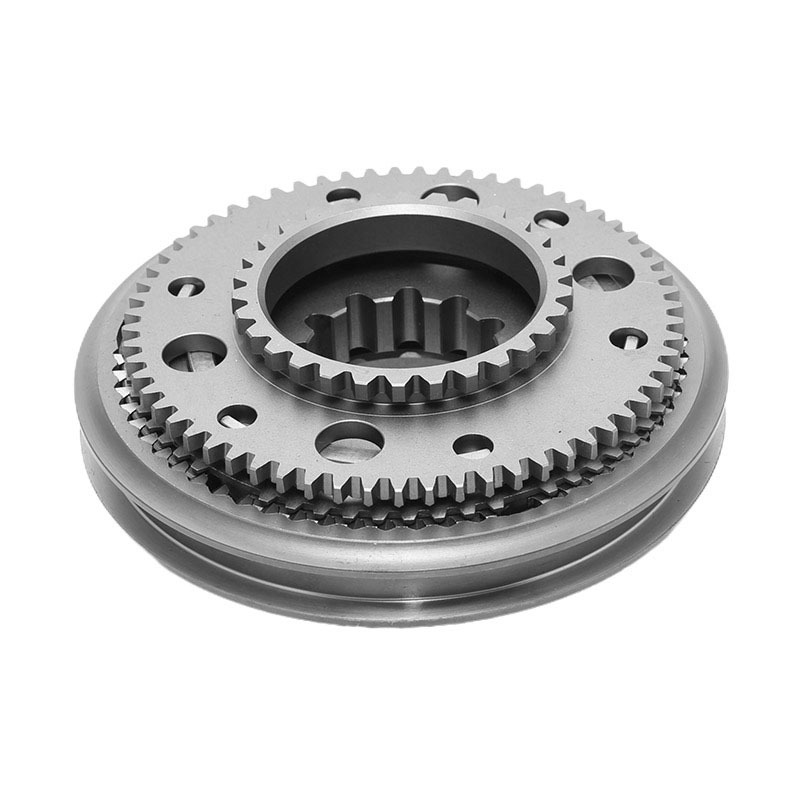
The synchronizer works by utilizing friction to equalize the speed between the gear and the output shaft. When a driver engages the clutch and shifts gears, the synchronizer helps bring the gear and shaft to the same rotational speed, allowing the teeth of the gears to mesh without causing damage. This action prevents unnecessary wear and tear on the gearbox components, improving the overall longevity of the transmission system.
A key aspect of an automotive gearbox synchronizer is its design, which typically includes components like a synchronizer ring, cone, and sleeve. The synchronizer ring provides the necessary friction, while the cone engages with the sleeve to synchronize the speeds. These components work together to reduce the shock loads that occur during gear engagement, ensuring a smoother transition and less strain on the transmission system.
Additionally, the material used for the synchronizer is critical for its performance. High-quality metals, such as brass or steel, are often used to construct the synchronizer components. These materials offer excellent durability and wear resistance, ensuring that the synchronizer continues to perform effectively over time, even in high-stress situations.
As vehicles become more advanced, gearbox synchronizers are also evolving to meet the demands of newer transmission technologies. For instance, some modern systems use double or triple cone synchronizers to handle higher power outputs and provide quicker, more precise gear shifts. The automotive industry continues to invest in research and development to further improve synchronizer efficiency, ensuring better performance and reliability for manual transmission vehicles.
OTHER NEWS
Understanding Forklift Transmission Gears: A Comprehensive Guide
Forklift transmission gears are critical components that facilitate the efficient operation of these essential industrial machines. Understanding how these gears work and their various types can greatly enhance your knowledge of forklift performance and maintenance. At the core of forklift transmission systems is the task of converting engine power into usable torque that drives the forklift wheel
LEARN MOREA Comprehensive Guide to Heavy Duty Truck Transmission Gear Designs
A Comprehensive Guide to Heavy Duty Truck Transmission Gear Designs Table of Contents 1. Introduction to Heavy Duty Truck Transmissions 2. Types of Heavy Duty Truck Transmission Gear Designs 1. Manual Transmission Gear Designs 2. Automatic Transmission Gear Designs 3. Dual-Clutch Transmission Gear Designs 3. Key Components of Transmission Gear Designs 4. Innovations in Heavy
LEARN MORECONTACT
Add:No. 16, 25th Street, Eastern New District, Wenling City, Zhejiang Province, China

GET A CUSTOMIZED QUOTE
Here, we provide a convenient online inquiry service. You only need to briefly fill in the following information, and our sales team will provide you with a detailed quotation within 24 hours.
Whether your needs are a single product or a complete set of customized solutions, we will provide tailored quotations and technical support according to your specific requirements.